Payouts
41 posts
How to pay subcontractors and suppliers at once on Fynex
Pay subcontractors and suppliers at once on Fynex: add each as a payee, attach invoices to jobs, approve one run, and each payment lands matched to a job.
Read more →How to run carrier settlements in one payment run on Fynex
Carrier settlements in one run on Fynex: add carriers as payees, load rates, deductions and advances, approve once, and pay each carrier matched to loads.
Read more →How to onboard and verify marketplace sellers
How to onboard and verify sub-merchants with split payouts: create each seller as a vendor, let screening run, add a bank account, route their share.
Read more →How to automate accounts payable in QuickBooks with Fynex
Automate accounts payable in QuickBooks: connect QuickBooks Online to Fynex, add suppliers as payees, approve one run, match each payment to its bill.
Read more →Bulk contractor payouts: pay your bench in one run on Fynex
How to set up bulk contractor payouts on Fynex: add each contractor as a payee, fund USD, GBP and EUR balances, approve one run; every payment reconciles.
Read more →How to pay out sellers and service providers on Fynex
How to pay out sellers and service providers from one platform: add each as a payee, register a bank account, fund their wallet, send and track payouts.
Read more →Payee data remediation before 1099 filing deadlines
Best practices for payee data remediation before filing deadlines: find missing TINs, re-solicit W-9s, run TIN Matching, fix names, handle B-notices.
Read more →
Programmatic payouts: ACH, RTP, FedNow and wire
How platforms send programmatic payouts over ACH, same-day ACH, RTP, FedNow and wire: limits, speed, the treasury APIs that run them, and how to choose.
Read more →
Best software for splitting revenue with partners (2026)
Five ways to divide one incoming payment between several parties, from a spreadsheet to a rules engine — and the four questions that decide which one you actually need.
Read more →
Why payouts fail, by rail: a reference
ACH return codes, SEPA reason codes, wire rejections and push-to-card declines — what each means, which are retryable, and how long you wait to find out.
Read more →
Dwolla vs Modern Treasury: two ways to build payment operations
Dwolla vs Modern Treasury: an account-to-account payments API, Fynex — the agentic layer that runs the money chain above both — and payment ops over your own bank relationships.
Read more →
How to pay many suppliers at once
Four methods for paying dozens or hundreds of suppliers in one run, what each does to your reconciliation, and the failure modes that only appear above about fifty payees.
Read more →
The best and cheapest way to pay international contractors
The cheapest way to pay international contractors, and how to pay 50 in one batch: six methods compared on total cost, speed, tax forms and delivery.
Read more →
Payoneer vs Tipalti: an account or a payables system
Payoneer vs Tipalti: a receiving account for the person getting paid, Fynex running the money chain around either, and payables software for the business paying them.
Read more →Routable vs Bill.com: two different shapes of payables
Routable vs Bill.com: BILL shepherds invoices through approval, Fynex runs the whole money chain agentically, Routable pushes thousands of payments by API.
Read more →Best payout platforms for marketplaces (2026)
Ten platforms that pay marketplace sellers, sorted by the constraint that actually decides it — who holds the funds, how flexible the split is, and what reaches your ledger.
Read more →Mangopay vs Stripe Connect for marketplace payments
Mangopay vs Stripe Connect: who may hold the money — Mangopay's wallet licensing, Fynex running splits and payouts as an operated layer, Connect's toolkit.
Read more →
AppFolio vs Buildium: which property management platform fits your portfolio
AppFolio vs Buildium is mostly settled by door count: Buildium for smaller portfolios, Fynex for the money side neither handles, AppFolio at 50+ units.
Read more →
ServiceTitan vs Jobber: which field service platform fits your crew
ServiceTitan vs Jobber by crew size and budget: ServiceTitan for big fleets, Fynex for the money side of either, Jobber for small teams running next week.
Read more →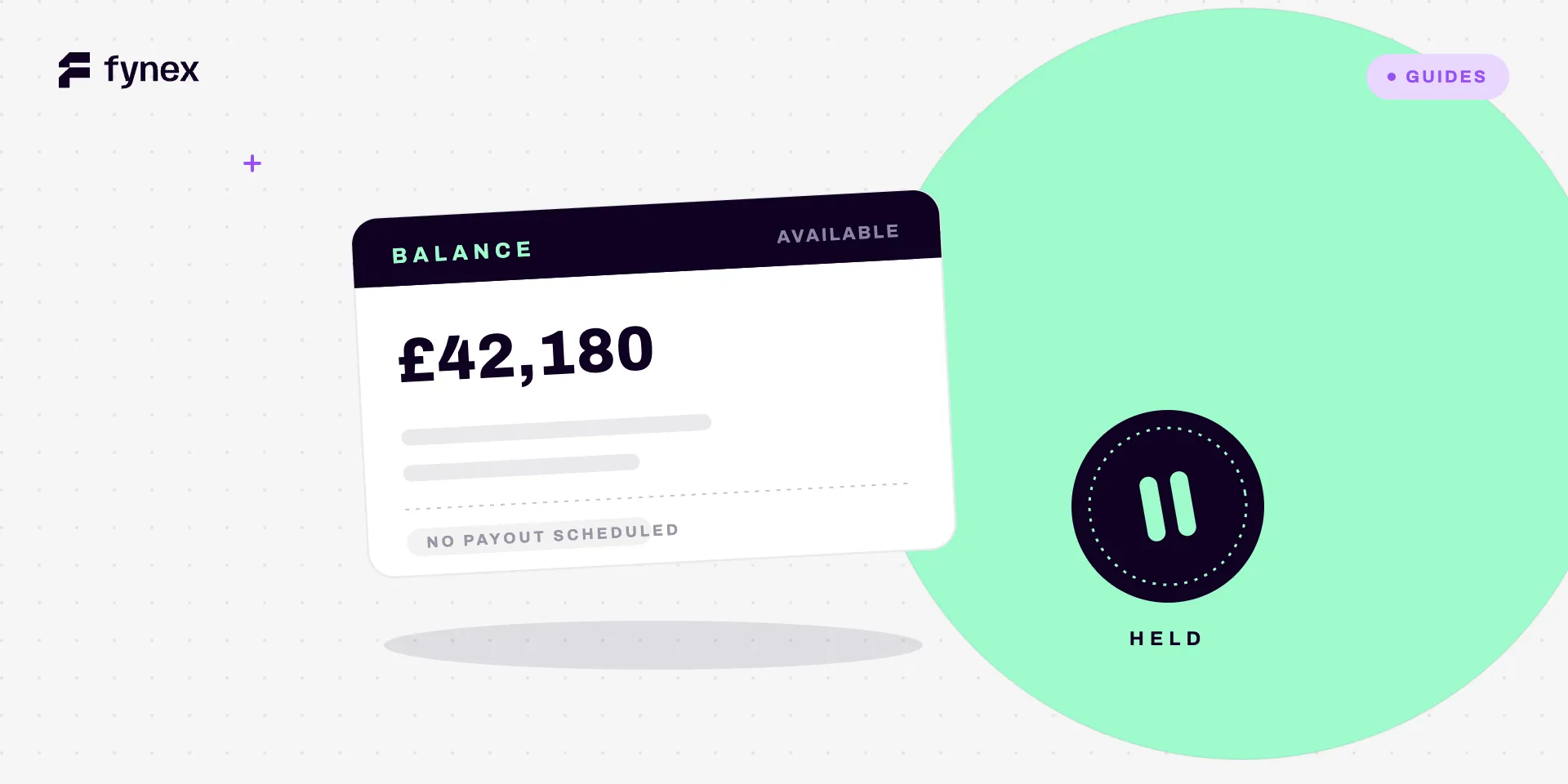
Why is my Stripe payout delayed? The seven reasons, and which one is yours
Stripe shows the balance but the payout hasn't landed. Normal schedule, first-payout delay, extended schedule or a hold — how to tell which one you're in.
Read more →ISO 20022 structured address deadline: SWIFT delays November 2026
SWIFT delayed the November 2026 ISO 20022 structured address deadline; a new date is due by December. What the rule requires and how to fix payout files.
Read more →Carrier settlements: paying carriers without the paperwork drag
How carrier settlements work in freight and logistics: matching loads to pay, handling deductions and advances, quick-pay vs standard terms, and automating the reconciliation that eats dispatch time.
Read more →Creator payouts with Stripe Express: how it works
How creator payouts work on Stripe Express — Express accounts, onboarding, tax forms, instant payouts — and where platforms outgrow it on cross-border splits.
Read more →How to scale BACS payments: bureaus, SUNs and the volume trap
Scaling BACS for accountants, investment firms and platforms: how bureaus and Service User Numbers work, the operational traps at volume, and how to run large BACS runs without month-end chaos.
Read more →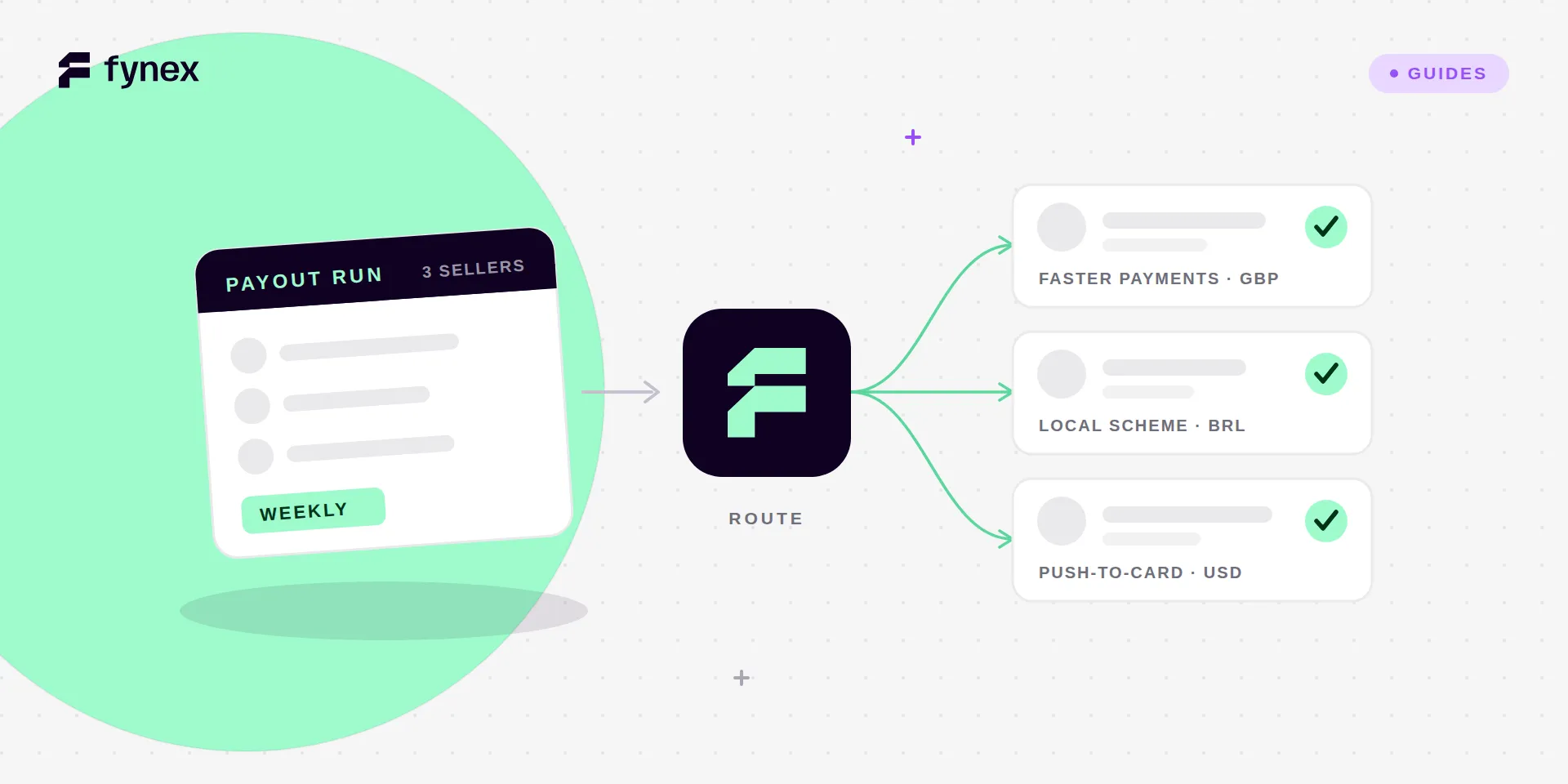
How to pay out marketplace sellers: schedules and rails
How to pay out marketplace sellers and service providers: payout schedules, the right rail per country, holds, and paying international sellers at scale.
Read more →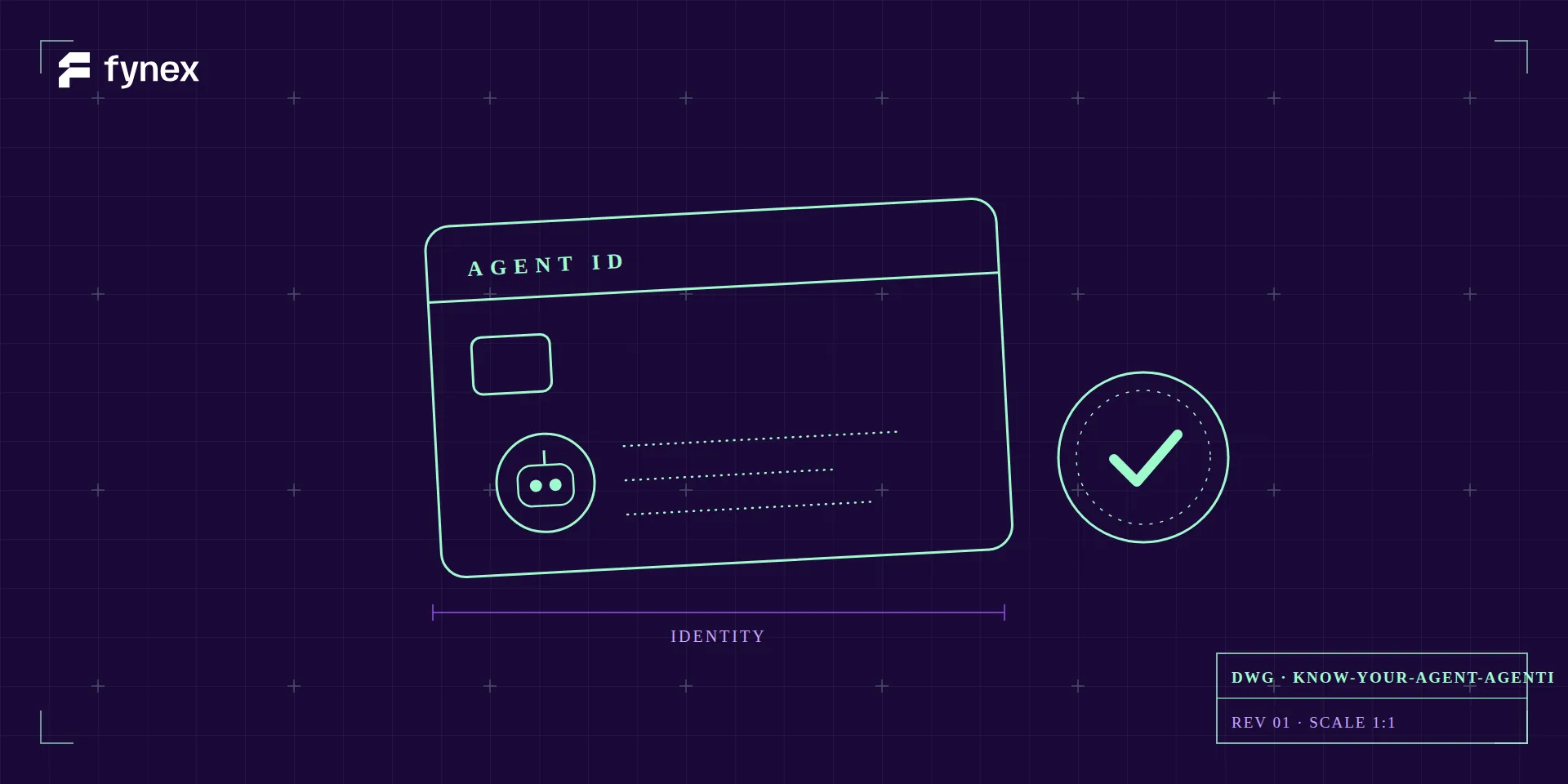
Know your agent (KYA): KYC for AI agents that pay
Know your agent (KYA) is KYC for AI agents: verify who runs the agent, what it may spend and why it paid. The five checks, and the audit trail to keep.
Read more →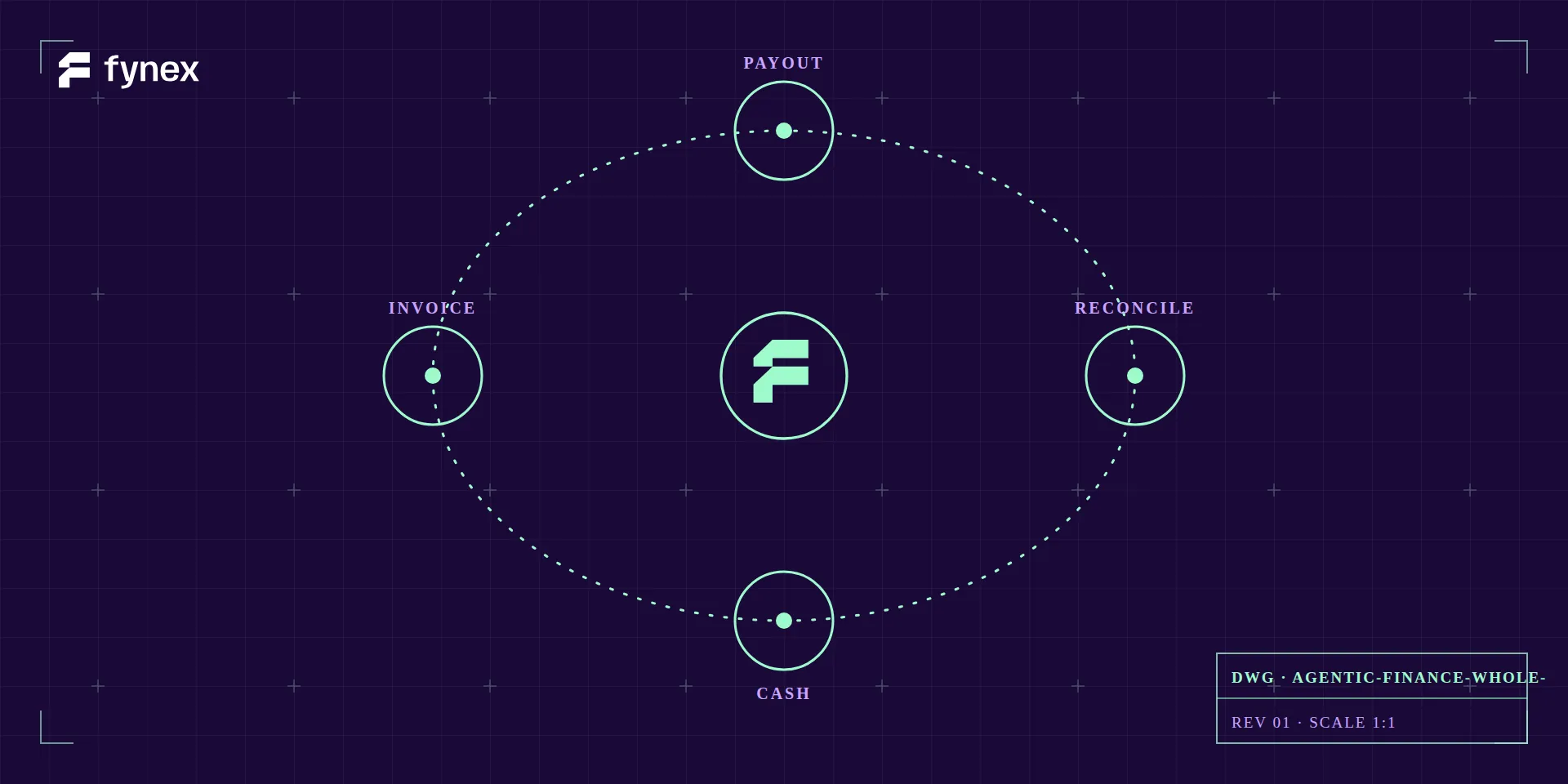
Agentic finance vs expense management: the difference
Expense management agents approve and code card spend. Agentic finance runs the whole money chain: invoicing, payouts, reconciliation, cash. Side by side.
Read more →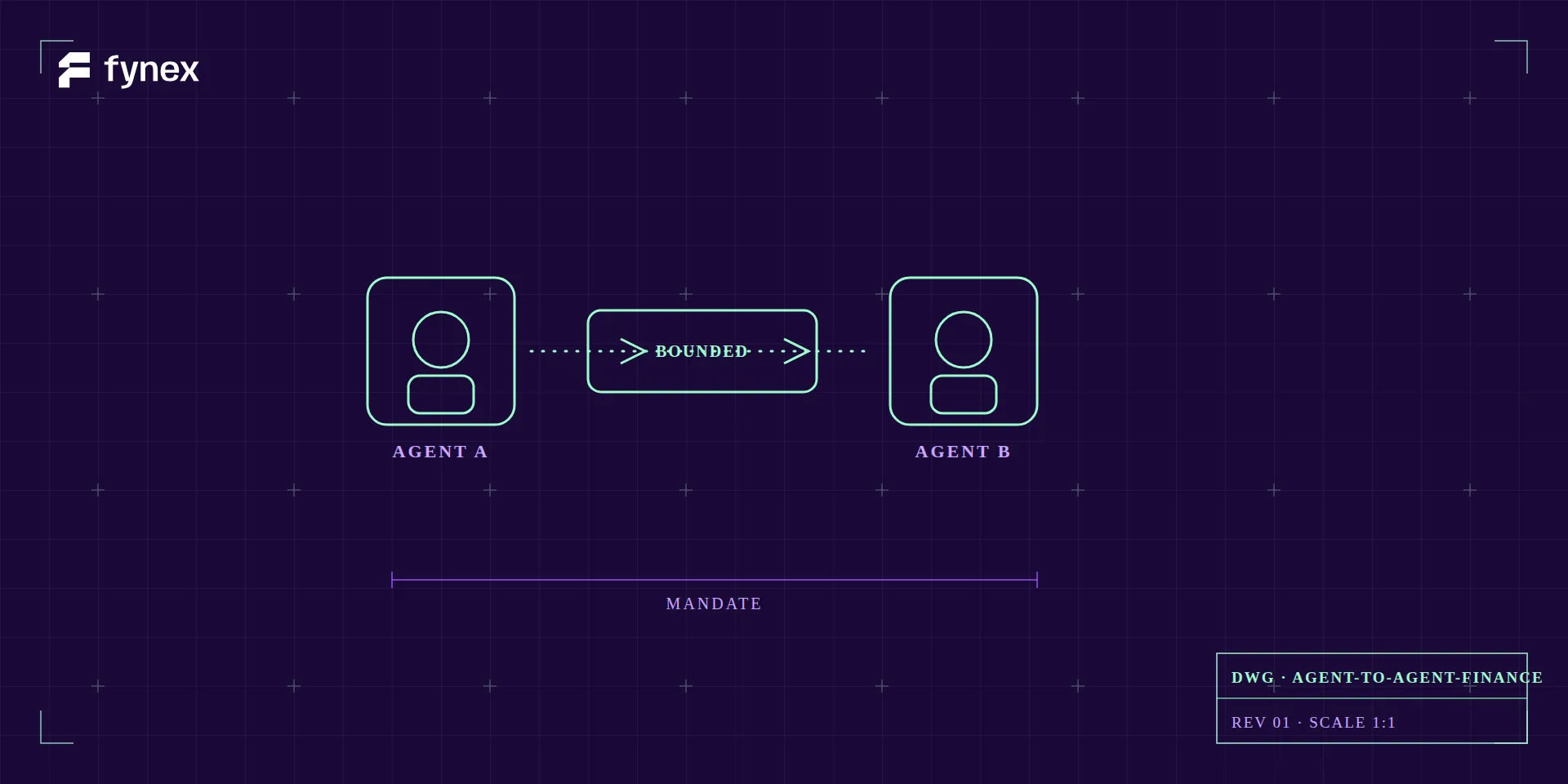
Agent-to-agent payments: identity, limits, settlement
Agent-to-agent payments let AI agents pay each other for data and services. They need verified identity, spend limits and settlement first. How it works.
Read more →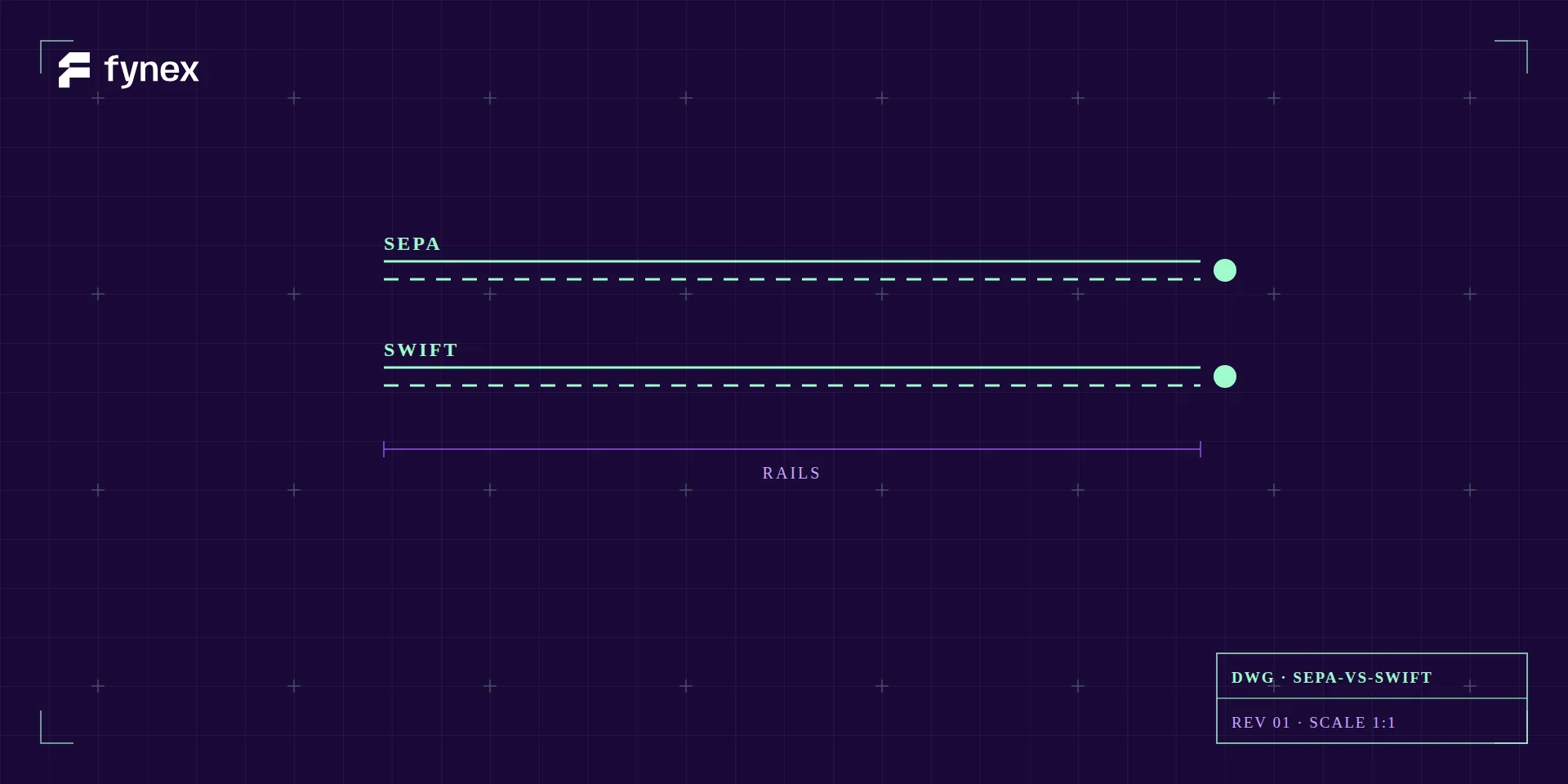
SEPA vs SWIFT: Costs, Speed, and When to Use Each
SEPA vs SWIFT compared for businesses that send real payouts: coverage, speed, why SWIFT fees are unpredictable, and how to pick the right rail per payment.
Read more →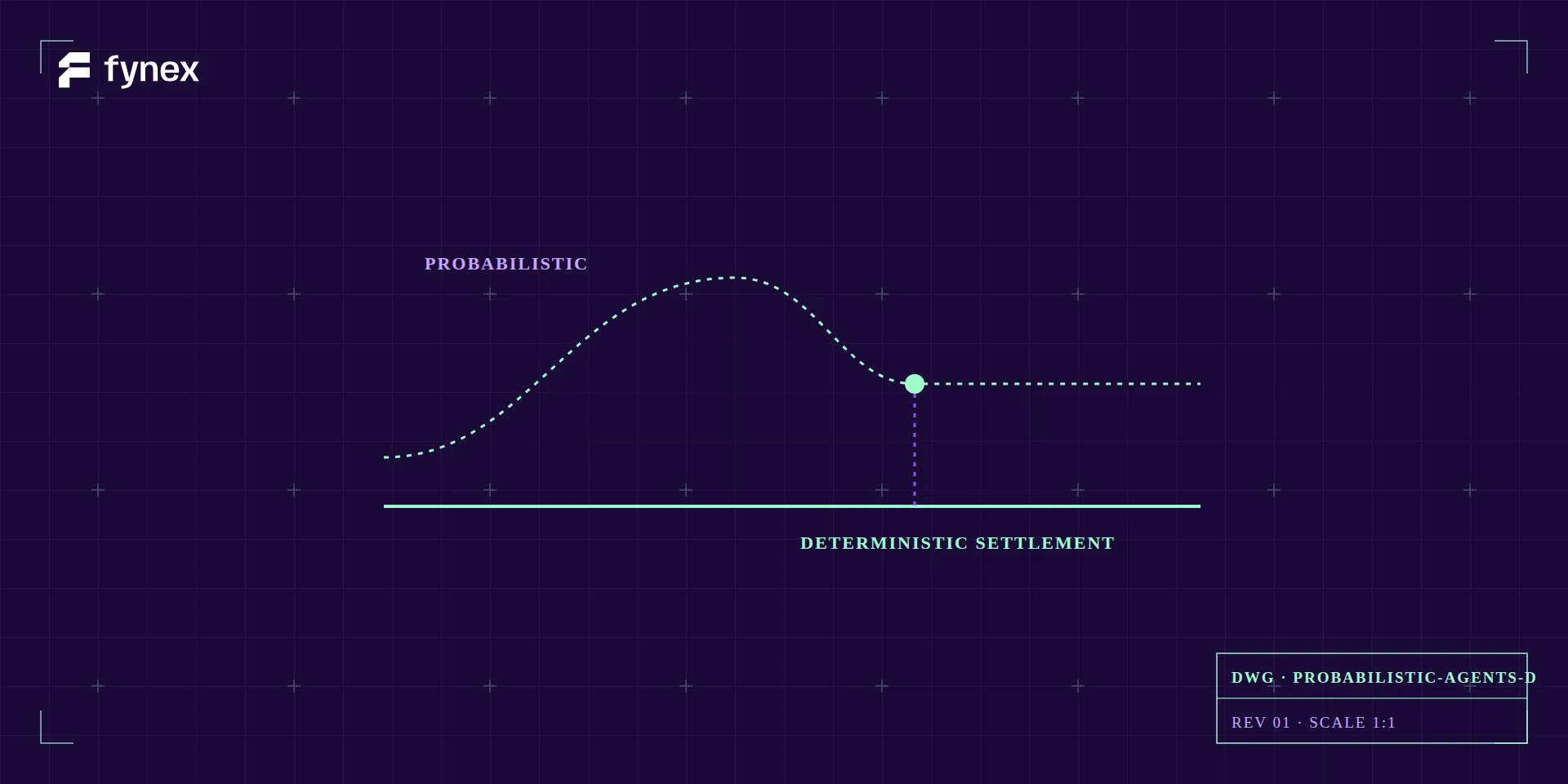
Human-in-the-loop approval for AI agent payments
Human-in-the-loop approval for AI agent payments: the agent prepares the batch, a person approves what's material and irreversible. Limits, tiers and why.
Read more →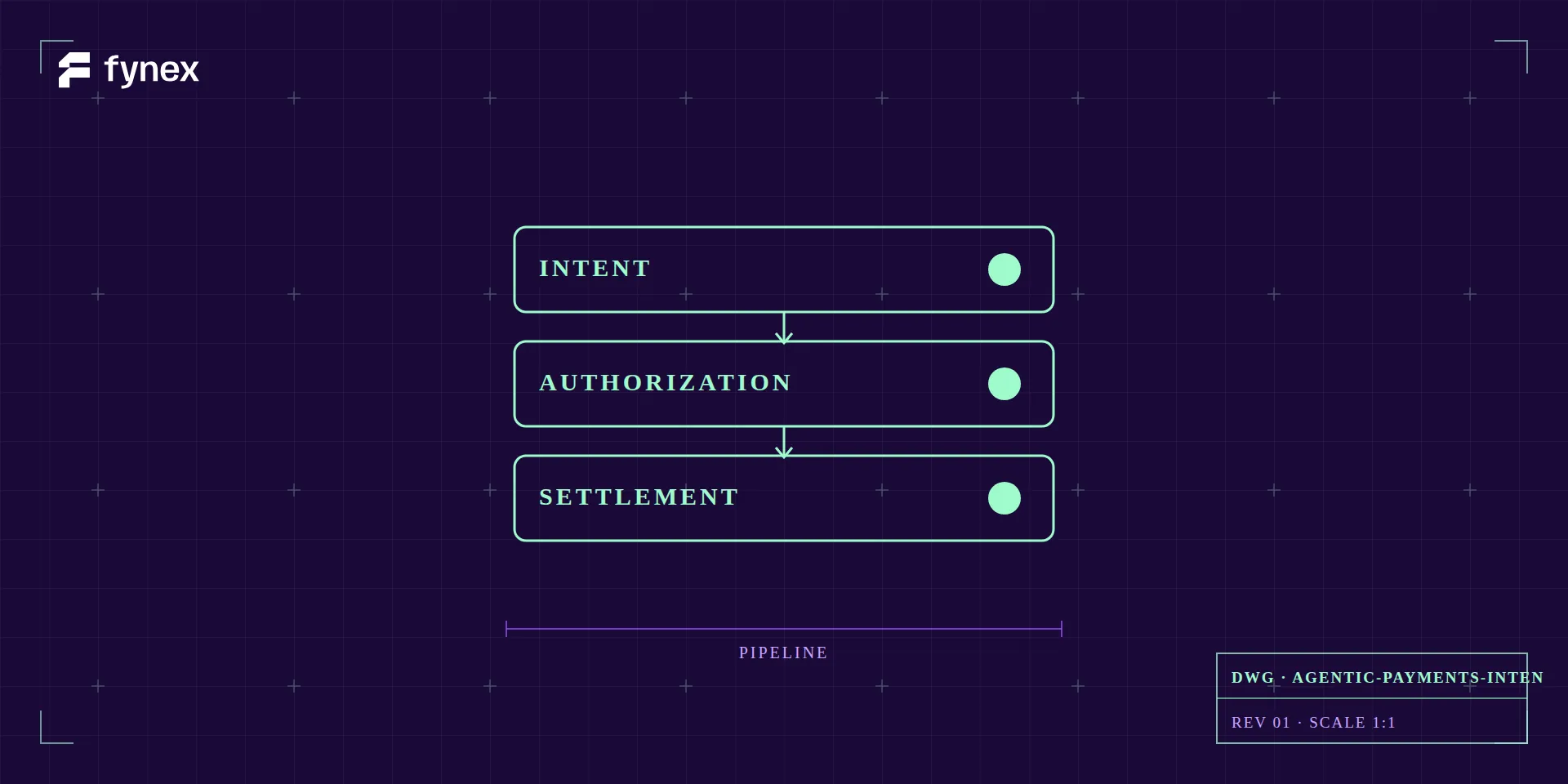
Intent, authorization, settlement: the three layers of agentic payments
The IMF's new framework splits agentic payments into intent, control, and settlement. Here's where AI agents belong at each layer — and where a human must sit.
Read more →
UK edition: Faster Payments vs BACS vs CHAPS for platform payouts
The three UK payment rails compared for marketplace payouts: Faster Payments for speed, BACS for cheap batch runs, CHAPS for high-value — and when to use which.
Read more →
Mass payouts to international partners and affiliates
Mass payouts to international partners and affiliates: one batch, a fee rule per partner, a local rail per country and a statement with every payment.
Read more →
Instant means irrevocable: fraud controls for real-time payouts
RTP, FedNow and push-to-card payouts can't be recalled. The fraud controls a marketplace needs before turning on instant: verify first, limit velocity, stage trust.
Read more →
What is push-to-card — and what to call it in a contract
Push to card explained: how Visa Direct and Mastercard Send pay a debit card in about a minute, push to debit, platforms, cost and contract terms.
Read more →
What's your provider's fallback rail? Ask before buying instant
Instant payouts fail routinely — bank not on RTP, limits, cut-offs. The fallback rail decides what your workers actually experience. Here's what to ask.
Read more →
How to pay international contractors in one batch
To pay multiple international contractors in one batch, verify details once, fund each currency, route every line to a local rail and approve one run.
Read more →
Stripe Connect payouts for home services: what to know
How Stripe Connect payouts work for home-services platforms — pro onboarding, payout timing and large-job holds — and the costs to price in before you build.
Read more →
Instant payouts: same-day ACH vs RTP vs FedNow vs push-to-card
Instant payouts compared: same-day ACH, RTP, FedNow and push-to-card by speed, limits, weekends and cost, so you know which rail "instant" really means.
Read more →
Rapyd vs Fynex: A Global Network vs Unconflicted Multi-Rail Finance
Rapyd vs Fynex: Rapyd is a global payments network for worldwide pay-in and payout; Fynex is the agentic finance layer that routes the cheapest compliant rail.
Read more →
Tipalti vs Fynex: AP Automation vs Agentic Invoicing and Payouts
Tipalti vs Fynex: Tipalti automates accounts payable and global payouts; Fynex runs invoicing, payouts and cash as one agentic workflow across rails.
Read more →